
Achapam
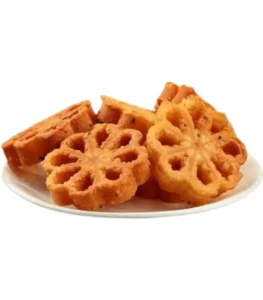
₹60.00Achapam, also known as Rose Cookies, is a classic Kerala traditional snack that has been enjoyed for generations. It is made from a batter prepared with rice flour, coconut milk, eggs, and sugar, which is then deep-fried using a special Achapam mold to form its signature flower-like shape.
This snack is known for its crispy texture, delicate sweetness, and beautiful design. Achapam is commonly prepared during festivals such as Christmas, weddings, and special celebrations, making it an important part of Kerala’s traditional snack culture.
The light and crunchy texture of Achapam makes it a delightful snack that pairs perfectly with tea or coffee. Each piece is carefully prepared to maintain its crispiness and authentic taste.
Bring home the authentic taste of Kerala with Achapam, a delicious traditional snack loved for its crispy texture and festive charm.
Key Features
Authentic Kerala Achapam snack
Crispy rose-shaped traditional cookies
Made with rice flour and coconut milk
Popular during Kerala festivals and celebrations
Perfect for tea time and festive occasions
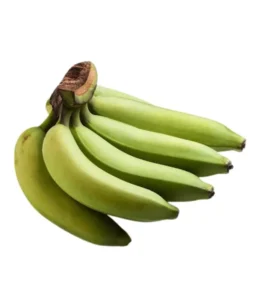
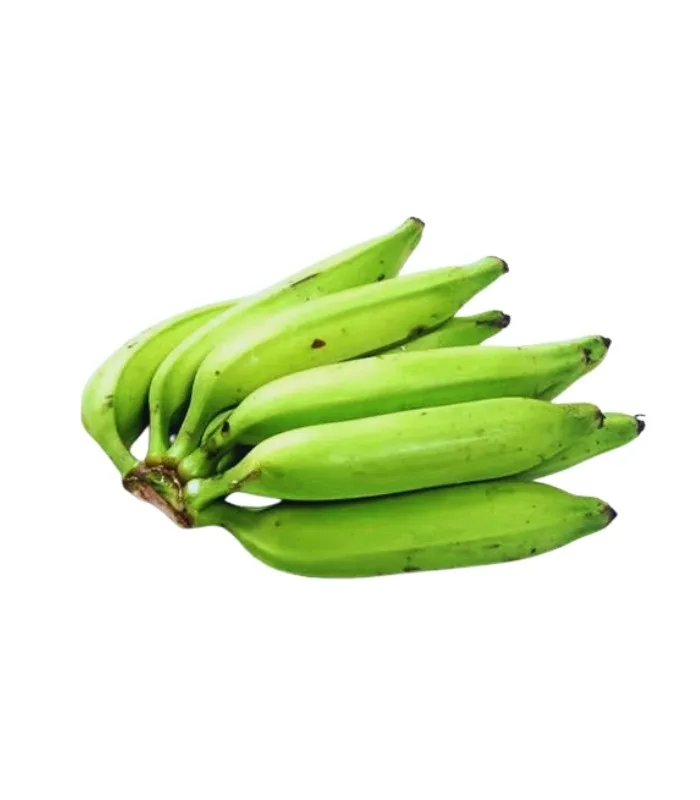
Banana Big ( Nenthran )
₹60.00 kgNenthran Banana, commonly called Nendran Banana, is one of the most famous fruits from Kerala. Known for its large size, firm texture, and rich flavor, this banana variety is widely used in many traditional Kerala recipes. It is often steamed, fried, or used to make the famous Kerala banana chips (Nendran chips).
Apart from its delicious taste, Nenthran banana is valued for its nutritional benefits, including natural energy, fiber, and essential vitamins. It is commonly enjoyed as a healthy snack and is also used in dishes like banana fritters (pazham pori) and baby food preparations.
Key Features
Authentic Kerala Nendran Banana
Large and firm traditional banana variety
Perfect for chips, snacks, and cooking
Naturally rich in fiber and nutrients
Essential fruit in Kerala cuisine
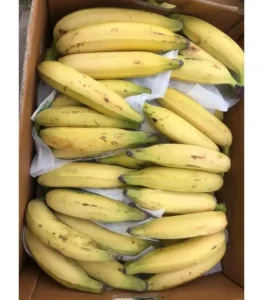
Banana Color (Nenthran)
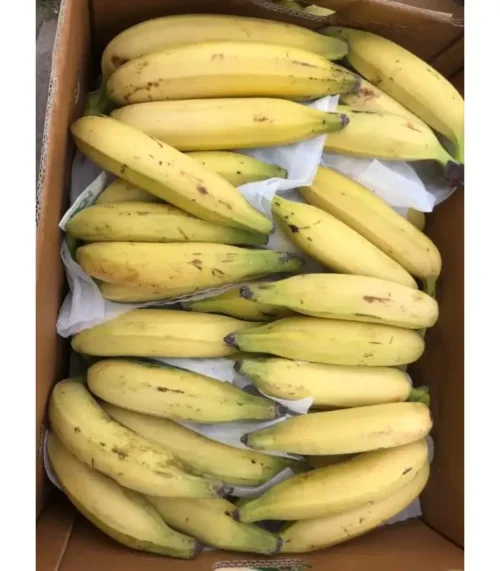
Price range: ₹35.00 through ₹300.00Nenthran Banana (Yellow), also known as ripe Kerala Nendran banana, is a popular fruit known for its rich sweetness and firm texture. When fully ripe, the banana turns bright yellow, making it perfect for enjoying fresh or preparing traditional Kerala dishes.
This ripe Nenthran banana is widely used for pazham pori (banana fritters), baby food, desserts, and snacks. Its natural sweetness and nutritional value make it a healthy and delicious addition to everyday meals.
Key Features
Fresh Kerala Nenthran Banana (Yellow / Ripe)
Naturally sweet traditional banana variety
Ideal for pazham pori and desserts
Rich in fiber and natural energy
Popular fruit in Kerala cuisine
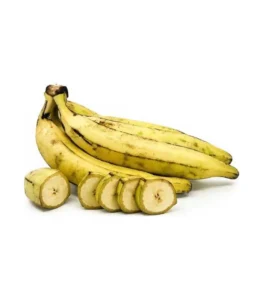
Banana Nenthran (Ripe)
₹50.00Banana Nenthran (Ripe) is a famous Kerala Nendran banana known for its rich sweetness, firm texture, and bright golden color when fully ripe. This traditional banana variety is widely enjoyed as a healthy snack and is commonly used in Kerala dishes like pazham pori, desserts, and baby food.
Naturally rich in fiber, vitamins, and energy, ripe Nenthran bananas are perfect for everyday consumption. Their unique flavor makes them a favorite ingredient in many authentic Kerala recipes.
Key Features
Fresh Kerala Nenthran Banana (Ripe)
Naturally sweet traditional banana variety
Perfect for pazham pori and desserts
Rich in fiber and natural nutrients
Popular fruit in Kerala cuisine